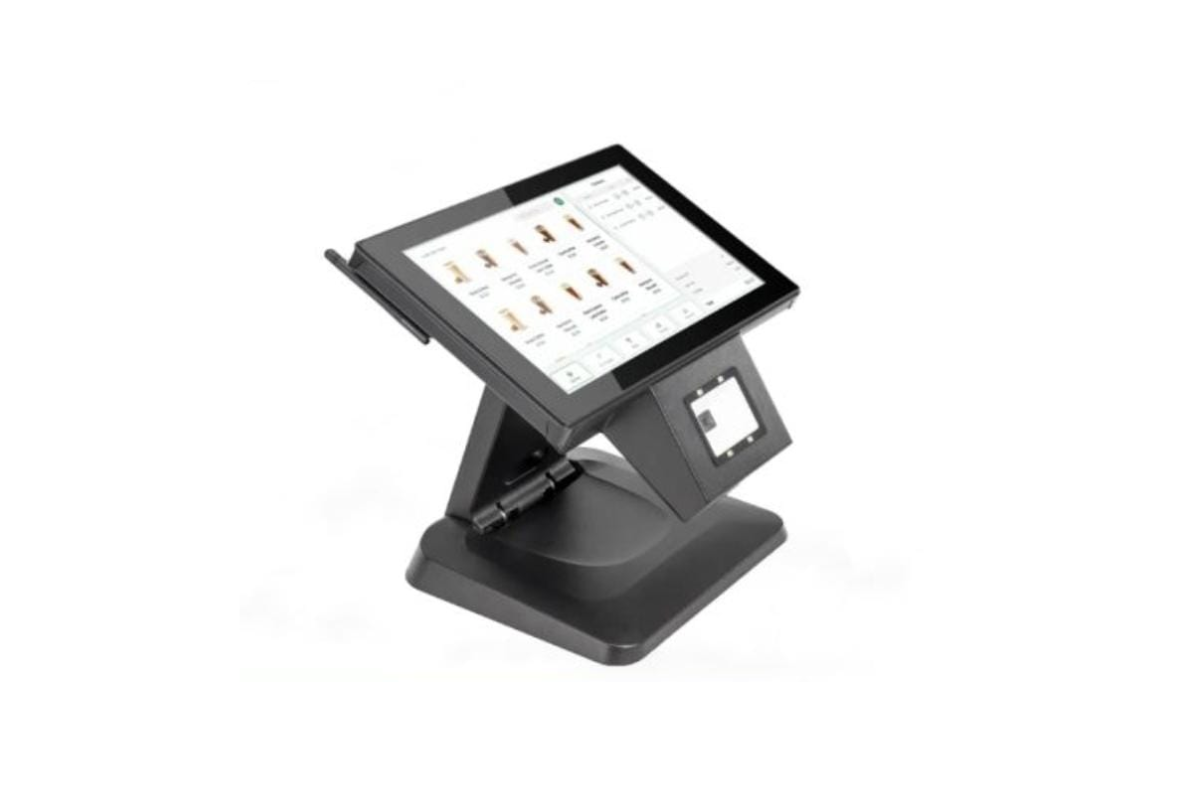
A retail price checker is a compact, in-aisle electronic device or terminal that lets customers scan product barcodes to instantly view prices, stock levels, and promotions. [
1,
2,
3]
Hardware & Display Specifications
- Screen Sizes: Typically range from compact 4.3-inch and 5-inch displays up to larger 8-inch, 10.1-inch, or 11-inch touchscreens (PCAP multi-touch or standard LCD/TFT). [1, 2, 3, 4, 5, 6]
- Scanning Engine: Built-in 1D laser or 2D CMOS omnidirectional area imagers capable of reading standard UPC, EAN, and QR codes from paper or mobile screens, even on damaged or faded labels. [1, 2, 3, 4]
- Operating Systems: Modern units commonly run on Android (Android 11 up to Android 14), while industrial or legacy variants may support Windows or Linux. [1, 2, 3]
- Processors & Memory: Powered by efficient processors (such as Qualcomm Snapdragon or equivalent industrial chipsets) paired with standard RAM and flash storage for caching local item lookup data. [1]
Connectivity & Integration
- Network: Dual-band Wi-Fi (802.11 a/b/g/n/ac), RJ45 Ethernet, and optional cellular (4G LTE). [1, 2]
- Power: Standard AC adapters or Power-over-Ethernet (PoE), which combines network data and power delivery through a single Ethernet cable for clean wall installations. [1, 2, 3]
- Software Sync: Connects in real-time or via middleware to central POS, ERP, or CRM database servers to maintain synchronized pricing across all store aisles. [1, 2, 3]
Physical & Mounting Features
- Housing: Industrial-grade or rugged plastics, frequently featuring IP54 to IP65 dust and moisture resistance ratings on exposed front panels.
- Mounting Options: VESA-standard wall mounting, pole mounting, or desktop stands.
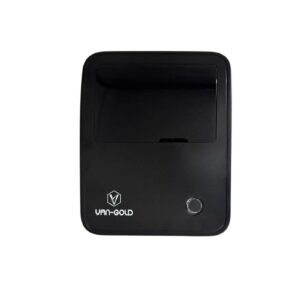
Optional Peripherals: NFC/RFID readers, magnetic stripe readers (MSR), status indicator lights, or attached micro-printers



Reviews
There are no reviews yet.